Why Do Drains Clog More in Grand Junction's Mixed-Use Neighborhoods?
Living or working in one of Grand Junction’s vibrant mixed-use areas, where homes sit alongside cafes and shops, offers a unique community feel. But this blend of residential and commercial properties creates unique challenges for our shared plumbing infrastructure. The demands placed on sewer lines are far more complex than in a purely residential neighborhood. Understanding these hidden pressures is the first step to preventing messy and inconvenient drain problems for everyone on the block.
A clogged drain is more than just a minor annoyance. For a homeowner, it can mean foul odors and water backing up into your living space. For a business owner, it can lead to health code violations, unhappy customers, and even temporary closure. That’s why knowing the specific causes of drain issues in these mixed zones is so important. It helps everyone take smarter steps to prevent backups and know when to call for professional help before a small issue becomes a major emergency.
The Hidden Strain on Shared Sewer Lines
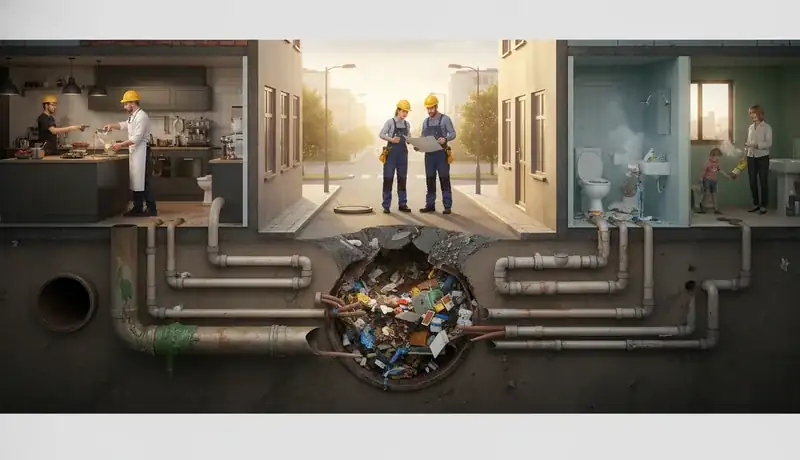
In a typical residential area, drains mostly handle soap, hair, and human waste. But in a mixed zone, the sewer main has to manage much more. A restaurant sends large amounts of grease, fats, and oils down the drain. A hair salon contributes hair and styling chemicals. An auto shop might have oil and grit runoff. All this waste from different sources combines in the same main sewer line that serves the nearby homes. This heavy, diverse load can easily overwhelm the system. For example, grease cools and hardens inside the pipes, creating sticky blockages that trap other debris. As a result, the shared pipes are far more likely to clog, causing backups that can affect every connected property, whether it’s a business or a family home.
Smart Habits for Homes and Businesses to Prevent Clogs
Preventing clogs in a mixed-use area is a team effort. Businesses can make the biggest impact. Restaurants must install and regularly maintain grease traps to catch fats and oils before they enter the sewer. Salons and retail shops should use drain screens to catch hair and solid debris. For homeowners, the rules are simpler but just as important. Never pour cooking grease down the sink; let it cool and dispose of it in the trash. Use strainers in shower and sink drains to catch hair and food particles. Avoid flushing anything other than toilet paper—even so-called “flushable” wipes can cause serious blockages. These simple, consistent habits can significantly reduce the strain on our local Grand Junction infrastructure and prevent many common drain problems from ever starting.
When a Slow Drain Becomes an Emergency
It’s crucial to recognize the signs that a simple clog has become a major problem requiring professional help. If you notice multiple drains in your home or business are slow or backing up at the same time, that’s a red flag. Other warning signs include gurgling sounds from your pipes, foul sewage odors that won’t go away, or water backing up into a shower when a toilet is flushed. These symptoms usually point to a blockage in the main sewer line. Using store-bought chemical drain cleaners on a main line clog is ineffective and can damage your pipes. This is the moment you need to look for emergency plumbing services in Grand Junction, CO 81506. Trying to fix it yourself can lead to costly property damage or even a raw sewage backup.
Your Grand Junction Partner in Keeping Drains Clear
At Expert Plumbing Pro, we have years of experience navigating the unique plumbing challenges of Grand Junction's mixed residential and commercial zones. We understand how a problem at a local business can quickly impact neighboring homes, and vice versa. Our team uses advanced diagnostic tools, like video camera inspections, to pinpoint the exact cause and location of a blockage without guesswork. This allows us to provide effective, long-term solutions, not just temporary fixes. Whether you're a homeowner dealing with a stubborn backup or a business needing reliable drain maintenance, we are here to provide prompt, professional service to keep our community’s plumbing systems flowing smoothly.
Frequently Asked Questions
Is my restaurant's grease really affecting my residential neighbors?
Yes, it absolutely can. When grease, fats, and oils are washed down the drain, they cool and solidify inside the main sewer lines shared by everyone on the block. This buildup narrows the pipe over time, creating a sticky trap for other debris. This can lead to slow drains or major backups that affect both your business and the nearby homes. Proper grease trap maintenance is essential for preventing costly plumbing emergencies for the whole neighborhood.
What's the difference between a store-bought drain cleaner and a professional service?
Store-bought chemical cleaners can be harsh on your pipes, especially older ones, and often fail to clear the entire blockage. They might just burn a small hole through the clog, providing only temporary relief. A professional service from a plumber uses tools like hydro-jetting or mechanical snakes to completely and safely remove the obstruction. This addresses the root cause of the problem for a much longer-lasting solution without risking damage to your plumbing system.
Let's Keep Our Drains Flowing Freely
In Grand Junction’s dynamic mixed-use neighborhoods, maintaining clear drains is a shared responsibility. Simple, mindful habits at home and in our local businesses can prevent many frustrating clogs. But when a serious blockage occurs, a fast and effective solution is essential to protect your property. If you’re facing a stubborn drain issue, don’t wait for it to get worse. Residents and business owners in Grand Junction, CO 81506 can rely on Expert Plumbing Pro. Contact us today for dependable help with any plumbing challenge.