Is Hard Water Silently Damaging Your Grand Junction Home's Plumbing?
If you live in Grand Junction, CO 81506, you're likely familiar with hard water. It’s the reason you see white spots on your dishes and faucets. This happens because our water contains high levels of dissolved minerals like calcium and magnesium. While it’s safe to drink, these minerals can cause significant problems for your home's plumbing system over time. Understanding what hard water is and how it behaves is the first step to protecting your pipes and appliances from costly damage.
For homeowners, ignoring hard water can lead to unexpected headaches. It can reduce the efficiency of your water heater, clog your pipes, and even shorten the lifespan of appliances like dishwashers and washing machines. This means higher utility bills and surprise repair costs. That’s why learning to spot the signs of hard water damage early can save you a lot of trouble and money, ensuring your plumbing system runs smoothly for years to come.
What Hard Water Buildup Does to Your Pipes
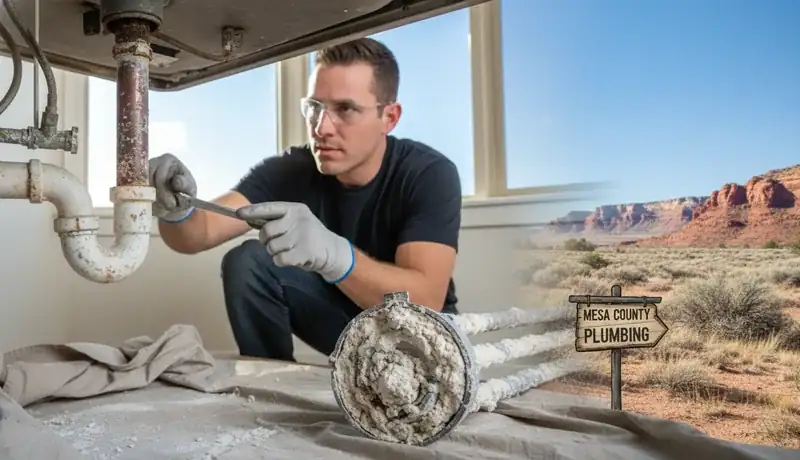
The minerals in hard water don't just wash away. Instead, they stick to the inside of your pipes, creating a hard, chalky substance called limescale. As this scale builds up over months and years, it narrows the passage for water to flow through. Think of it like a clogged artery for your home. This forces your entire plumbing system to work harder, leading to decreased water pressure at your faucets and showerheads. In many cases, this buildup also affects your water heater, forming a layer of sediment at the bottom of the tank. This forces the unit to use more energy to heat the water, driving up your utility bills and eventually causing the appliance to fail prematurely.
Spotting the Early Warning Signs of Hard Water
You don’t have to be a plumber to notice the effects of hard water. The signs are often right in front of you. Do your faucets and showerheads have a white, crusty film that’s hard to clean? That’s limescale. Have you noticed that your soap and shampoo don’t lather up as well as they should? That's another common symptom. Perhaps your clothes feel stiff after washing, or your glassware looks cloudy right out of the dishwasher. More serious signs include a noticeable drop in water pressure throughout your home or hearing a popping sound from your water heater as it struggles to heat through the mineral sediment. These are all clues that hard water is taking a toll on your plumbing.
When to Call a Professional for Plumbing Help
While you can manage minor scale buildup on fixtures with vinegar, some problems are too big to handle on your own. If you're experiencing persistent low water pressure, recurring drain clogs, or suspect your water heater is failing, it's time to call an expert. Attempting to fix deep pipe blockages or service a water heater without proper training can lead to bigger leaks and water damage. These situations can quickly escalate, and you might find yourself needing emergency plumbing services in Grand Junction, CO 81506. A professional plumber can accurately diagnose the extent of the limescale damage and recommend the most effective solution, whether it's pipe cleaning, repairs, or installing a water softening system to prevent future issues.
Your Local Grand Junction Plumbing Experts
Here at Expert Plumbing Pro, we understand the unique challenges that Mesa County's hard water presents to local homeowners. We've seen firsthand how mineral buildup can cause everything from minor annoyances to major plumbing emergencies. Our team is equipped with the right tools and knowledge to inspect your system, clear out stubborn blockages, and service your appliances. We provide honest advice and effective solutions tailored to homes in Grand Junction, CO 81506. Our goal is to help you protect your investment and keep your plumbing system in top condition, preventing small problems from turning into costly disasters.
Frequently Asked Questions
Can hard water permanently damage my pipes?
Yes, over a long period, severe limescale buildup can lead to permanent damage. The mineral deposits can corrode metal pipes, leading to leaks and weak spots that may eventually burst. This is especially true for older plumbing systems. Regular maintenance and addressing hard water issues early on can help prevent this kind of irreversible damage and extend the life of your plumbing. If you're concerned, a professional inspection is a good idea.
Is a water softener my only option for hard water?
A water softener is the most comprehensive solution for treating hard water throughout your entire home. However, it's not the only option. Water conditioners offer an alternative that changes the structure of the minerals so they don't stick to pipes, without removing them. For smaller-scale issues, regular cleaning of fixtures and flushing your water heater annually can also help manage the effects of hard water and keep your system running more efficiently.
Protect Your Home from Hard Water
Hard water is a fact of life in Grand Junction, but plumbing problems don't have to be. By recognizing the signs of mineral buildup and taking action, you can protect your pipes, appliances, and wallet. From low water pressure to a struggling water heater, the effects are real but manageable. If you're dealing with stubborn hard water issues or need a professional opinion, don't hesitate to reach out. The team at Expert Plumbing Pro is here to help keep your home's plumbing healthy and efficient.